

Meet our speakers
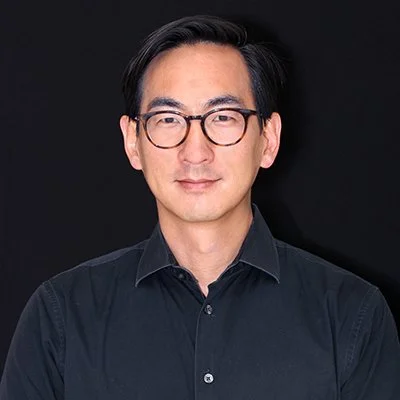
Tehshik P. Yoon
Tehshik was born in Montreal, Quebec, and raised in Blacksburg, VA, where his father is a professor of mining engineering at Virginia Tech. Tehshik became intrigued by organic chemistry as an undergraduate, and he had the great fortune to receive his education at every stage of his career in the laboratories of some of the leading figures in contemporary asymmetric synthesis. At Harvard, Tehshik’s first learned about research by studying stereocontrolled aldol reactions in Dave Evans’ lab. His Master’s degree with Erick Carreira exposed him to the concept of applying photochemistry to the synthesis of complex natural products. Tehshik then became Dave MacMillan’s first graduate student, first at Berkeley and then at Caltech, with whom he studied methods to control the stereochemistry of pericyclic reactions. As a postdoc, Tehshik returned to Harvard and investigated the use of hydrogen bonding urea catalysts in asymmetric synthesis.
Tehshik has been on the faculty at UW-Madison since 2005, where he is a Professor in the Department of Chemistry. He remains intrigued by the unique ability of chemical synthesis to control molecular shape and function with an atomic level of control. His research group is particularly interested in the application of open-shelled reactive intermediates such as heteroatom-centered radicals, alkene radical cations, and electronically excited organic triplets to complex molecule synthesis.
Previous speakers
2025: Ben W. H. Turnbull, Bill Morandi, Courtney C. Roberts, F. Dean Toste, Ryan Shenvi
2023: M. Kevin Brown, David Nagib, Francis Gosselin, Jen Heemstra
2022: Tom Maimone, Stephen Fletcher, Danica Rankic, Cathleen Crudden, Philip Dawson.
2019: Regan J. Thomson, Scott J. Miller, Martin D. Eastgate, Jean-P. Lumb.
2017: Justin Du Bois, Chris Vanderwal, Abigail Doyle, Matt Francis, Louis-Charles Campeau.
2015: Albert Padwa, MG Finn, Laura Kiessling, Matt Sigman, Richmond Sarpong.
2013: Paul Wender, Suzanne Blum, Daniel Kahne, Neil Garg, Corey R. J. Stephenson.
2011: Ronald Breslow, Christina White, Sarah Reisman, Ivan Aprahamian.
2009: Helen Blackwell, Erick Carreira, Sir J. Fraser Stoddart, Scott Snyder.
2007: Makoto Fujita, Amir Hoveyda, Barbara Imperiali, David MacMillan.
2005: Matthew Shair, Carolyn Bertozzi, Ben Feringa, John F. Hartwig.
2003: Richard R. Schrock, John L. Wood, Kevan Shokat.
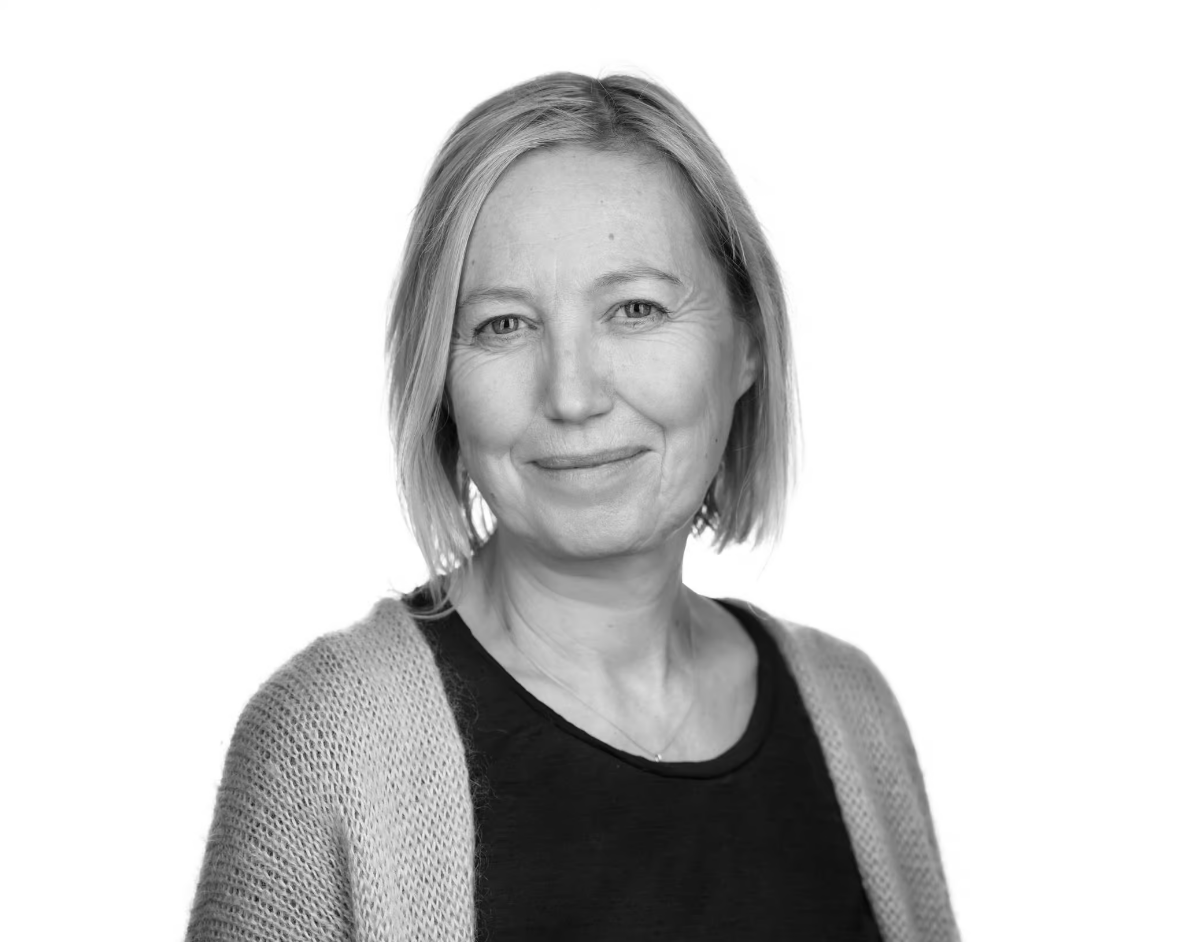
Véronique Gouverneur
Véronique Gouverneur obtained a PhD in chemistry at the Université Catholique de Louvain (LLN, Belgium), under the supervision of Prof Ghosez. In 1992, she moved to a postdoctoral position with Prof. Lerner at the Scripps Research Institute (California, USA). She took a position of Maître de Conférence at the University Louis Pasteur in Strasbourg (France); during this period, she worked with Dr Mioskowski and was Associate Member of the “Institut de Science et d'Ingénierie Supramoléculaires” led by Prof Lehn. Véronique started her independent research career at the University of Oxford in 1998 in the Department of Chemistry and was promoted to Professor of Chemistry in 2008. From 1998 to 2022, she was the holder of a tutorial fellowship at Merton College Oxford where she taught organic chemistry. In 2022, she became the Waynflete Professor of Chemistry.
She has coordinated European ITN projects (FP7-PEOPLE-2012-ITN, RADIOMI and H2020-MSCA-ITN-2016, FLUDD), and is the holder of two ERC Advanced Grants (2018 and 2023). She is the (co)author of > 220 peer-reviewed publications and 10 patents. Her research has been disseminated at numerous conferences, and rewarded by numerous prizes and distinctions including the Royal Society Wolfson Research Merit award (2013-2018), the ACS Award for Creative work in Fluorine Chemistry 2015, the RSC Tilden Prize 2016, the Tetrahedron Chair 2016, the Prelog Medal 2019, the RSC Organic Stereochemistry Award 2019, the Henri Moissan Prize 2021, the Arthur C. Cope Award 2022 , the EuChemS Female Organic Chemist of the Year Award 2022, the Prous Institute - Overton and Meyer Award for New Technologies in Drug Discovery 2024, and the Davy Medal 2024. Véronique was elected Member of the European Academy of Sciences (EURASC) in 2017, Fellow of the Royal Society in 2019 and International Honorary Member of the American Academy of Arts and Sciences in 2022.

Brian M. Stoltz
Brian M. Stoltz was born in Philadelphia, PA in 1970. After spending a year abroad at the Ludwig Maximilians Universität in München, Germany, he obtained his B.S. degree in Chemistry and B.A. degree in German from the Indiana University of Pennsylvania in Indiana, PA. Following graduate studies at Yale University in the lab of John L. Wood and an NIH postdoctoral fellowship at Harvard in the group of Professor E. J. Corey, he took a position at the California Institute of Technology. A member of the Caltech faculty since 2000, he is currently the Victor and Elizabeth Atkins Professor of Chemistry and an Investigator of the Heritage Medical Research Institute. His research interests lie in the development of new methods for general applications in synthetic chemistry and biologically active small molecules. Among his many distinctions, Professor Stoltz has been the recipient of the Arthur C. Cope Scholar and the E. J. Corey Awards from the American Chemical Society, the Presidential Early Career Award in Science and Engineering (PECASE) from the White House, the 2009 Raymond and Beverly Sackler Prize in the Physical Sciences for Chemistry, and was the 2015 recipient of the Mukaiyama Award by the Society of Synthetic Organic Chemistry, Japan. He was named the recipient of the 2018 American Chemical Society Award for Creative Work in Synthetic Organic Chemistry, the recipient of the 2024 American Chemical Society H.C. Brown Award for Creative Research in Synthetic Methods, named the 2026 ACS Ernest Guenther Awardee in the Chemistry of Natural Products, and in 2019 became a Fellow of the American Chemical Society. Additionally, he was awarded the 2025 Richard C. Tolman Medal for outstanding contributions to chemistry from the Southern California Section of the American Chemical Society (SCALACS). Professor Stoltz has trained more than 300 students and postdocs, who have gone on to successful independent careers in industry and academia. In 2017, he was awarded the Richard P. Feynman Prize for Excellence in Teaching at Caltech, and the 2026 Shirley M. Malcom Prize for Excellence in Mentoring the highest honors for teaching and mentoring at the institute.
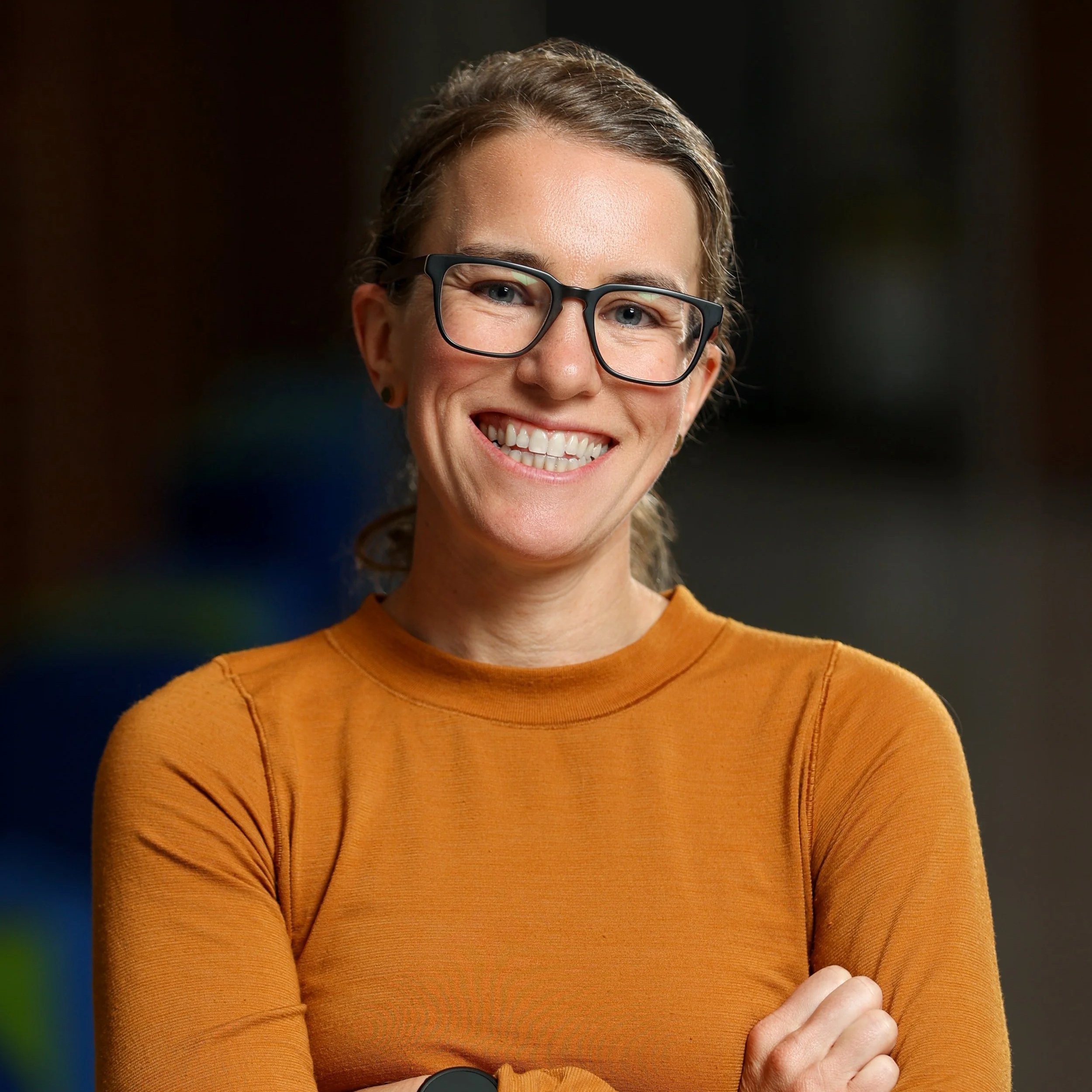
Dani Schultz
Dani Schultz received her PhD in organic chemistry from the University of Michigan, where she worked with Professor John Wolfe, and then completed an NIH postdoctoral fellowship at the University of Wisconsin–Madison with Professor Tehshik Yoon. Since joining Merck in 2014, Dani Schultz has held roles spanning Process Chemistry, Enabling Technologies, and Discovery Process Chemistry in Rahway, New Jersey. Early in her career, she served as a subject matter expert in high-throughput experimentation (HTE), enhancing internal capabilities while fostering academic–industrial collaborations that drove adoption of these tools to advance new synthetic technologies for pharmaceutical development. Between 2021 and 2024, she led the New Jersey and London Discovery Process Chemistry groups, she led teams supporting discovery programs across small molecules and peptides, with a focus on enabling SAR by developing new chemistry to expand molecular design space, accelerating candidate progression, and addressing scale-up challenges early. In 2025, she became Director in Process Chemistry, leading teams responsible for synthetic route definition and critical‑path API delivery, including directing an internal delivery team that enabled early development and clinical supply across multiple modalities. In 2026, she returned to Discovery Process Chemistry as a Distinguished Scientist, where she helps shape scientific strategy, mentors chemists across the organization, and drives chemistry investments that position Merck for the pipeline of the future. Across these roles, she has developed strong internal and external collaborations to address synthetic challenges across the drug discovery and development interface. In her spare time, she serves as co-host of the Pharm to Table Podcast (@PharmToTablePodcast), which celebrates the people and stories behind #MerckChemistry.
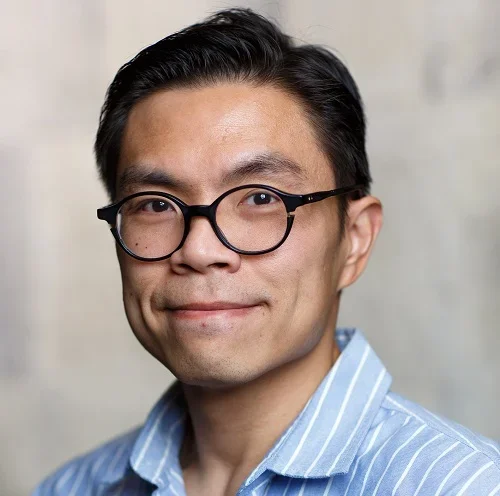
Hans Renata
Hans Renata was born in Surabaya, Indonesia. After completing his high school education in Singapore, he moved to the US and received his B.A. degree from Columbia University in 2008, conducting research under the tutelage of Professor Tristan H. Lambert. He earned his Ph.D. from The Scripps Research Institute in 2013 under the guidance of Professor Phil S. Baran. After postdoctoral studies with Professor Frances H. Arnold at the California Institute of Technology, he started his independent career at The Scripps Research Institute in 2016. His research focuses on the development of new biocatalytic methods and chemoenzymatic strategies to prepare complex, bioactive molecules. For these efforts, he has received several notable awards, such as the NSF CAREER award, the Sloan fellowship, the Chemical and Engineering News “Talented 12” and the Arthur C. Cope Scholar award. In July 2022, he took a position at Rice University as a Cancer Prevention and Research Institute of Texas (CPRIT) scholar.